

ExpressWithACard Blog
Interactive and Personal: The Rise of AI-Powered Greeting Cards
 February 17, 2025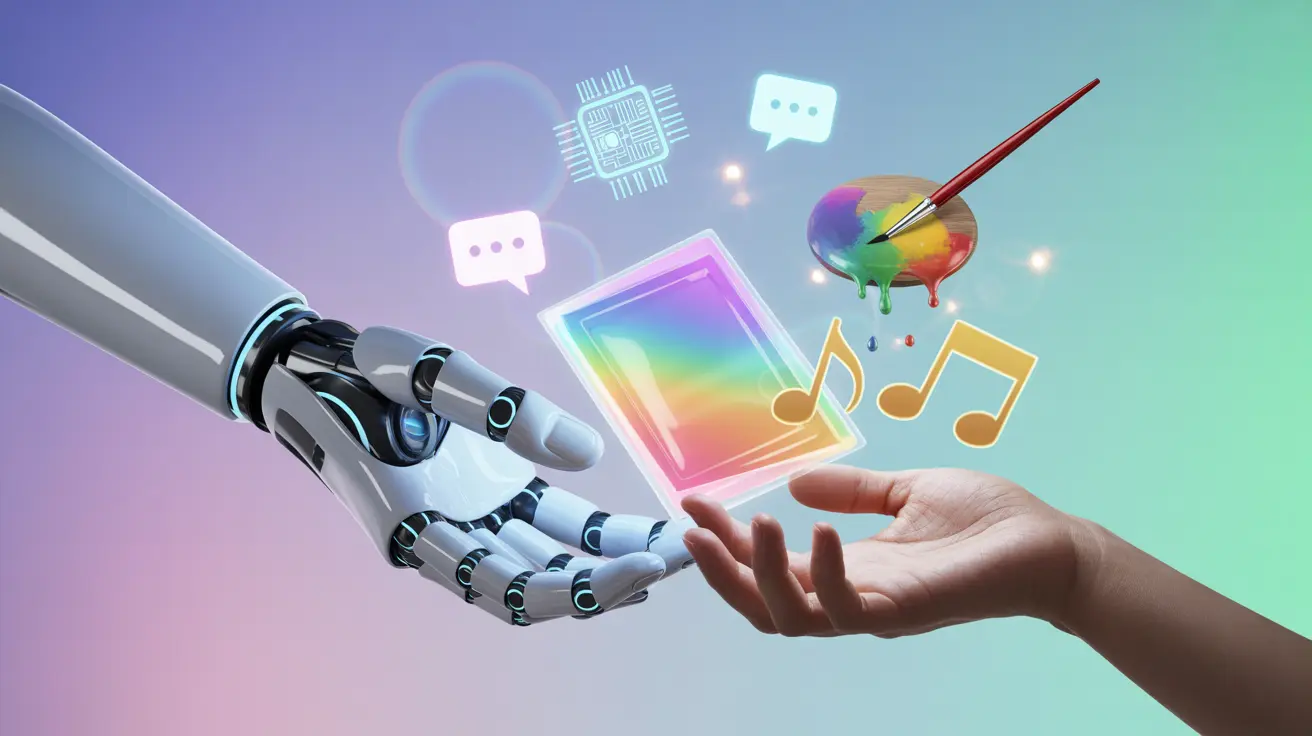
A New Breed of Greeting Cards
We’re all familiar with traditional greeting cards and even standard e-cards, but the greeting cards of the future are learning some new tricks, thanks to artificial intelligence. AI-powered greeting cards are an emerging trend that’s injecting a dose of smarts and interactivity into our well-worn tradition of sending well wishes. But what exactly is an AI-powered card? In essence, it’s any greeting card (usually a digital one) that uses AI to enhance the experience whether that’s in creating the card, personalizing its content, or making it interactive for the recipient.
Imagine a birthday e-card that can crack a joke relevant to the recipient’s favorite hobby, or a digital thank-you card that automatically includes a poem generated just for the occasion. Picture an anniversary card where an AI artist has painted a portrait of the couple based on their photos, or even a card that comes with a friendly chatbot, so the recipient can “chat” with a character for a fun little exchange. These are the kinds of possibilities that move greeting cards from static messages to lively, engaging experiences.
The push toward AI in cards is part of a broader trend of personalization and innovation in the greeting card industry. As noted earlier, 58% of users are selecting e-cards that include customizable images, messages, or animations (businessresearchinsights.com), reflecting a desire for unique, tailor-made content. AI is stepping up as a key tool to deliver those personalized touches efficiently. Let’s delve into the specific ways AI is making greeting cards more interactive and personal.
AI in Message Writing: Your Personal Wordsmith
One of the most common hurdles in sending a card is figuring out what to write. How do you say something that’s heartfelt and original? AI can help.
- Smart Message Suggestions: Some e-card platforms such as ExpressWithACard have introduced AI-driven text suggestions. You might input a few details the occasion (e.g., 50th birthday), your relationship (say, friend), maybe a keyword about the person (loves gardening, for instance) and the AI will generate a draft message or a few options. It could produce a sentimental note or a lighthearted quip as per your tone preference. This can spark inspiration or be used as-is with minor tweaks. It’s like having a greeting card poet on call. Early implementations of this were basic (filling in templates), but new AI language models can produce surprisingly human-like and specific well wishes.
- Personalized Poems and Greetings: As mentioned, you could get a poem written by AI. Services are popping up that specialize in “bespoke” poetry or rhymes for cards, powered by AI. For example, you provide some anecdotes and the AI crafts a cute rhyming couplet about them. Some companies use GPT-type models to create multiple variations of messages and let the user pick or refine them. This addresses a genuine consumer desire: Hallmark actually found that many people buy cards for the wording, to express what they can’t articulate themselves. Now with AI, the wording can be tailor-made for each recipient.
- Multilingual Magic: AI translation is also helping cards break language barriers. If you want to send a greeting in a language you don’t speak, AI can translate your message and even adjust idioms to be culturally appropriate. Advanced AI can do it in a friendly tone, rather than a stiff literal translation, making the sentiment carry over better. This is great for international friendships or bilingual families. Given that global teams and relationships are more common, this is timely it ties into the trend of more multilingual e-cards being in demand, which saw a 39% increase as remote work expands global teams (globalgrowthinsights.com).
- Chatbot Greetings: Here’s a wild one some experimental cards include a chatbot element. Picture an e-card where, when the recipient opens it, an animated character (maybe a cute robot or talking cat) greets them and can have a short conversation. “Hi Sarah! I’m ChatCat here to deliver a special message. Want to hear a joke or a poem first?” This is more of a novelty, but it’s technically feasible now with AI. It turns a card into an interactive encounter. While not mainstream yet, we might see more of this as chatbot tech (like ChatGPT) continues to capture the public imagination. A card could literally have an AI friend built-in for the recipient to engage with for a few minutes of birthday fun. It’s like combining a greeting card with voice assistants or interactive fiction.
What do users think of AI’s help in writing? Many are quite receptive, especially younger generations used to predictive text and AI suggestions in other contexts. As long as the final output feels genuine and from the sender’s heart (with their editing touch), it doesn’t really matter that an AI helped behind the scenes. The goal is to help people say what they feel and if an AI tool does that better than a canned greeting, why not?
AI-Generated Art and Design: One-of-a-Kind Cards
The visual side of cards is also getting an AI boost. Instead of picking from a catalog of designs that thousands of others might also use, AI can create bespoke artwork for each card.
- Custom Illustrations: AI image generators (like DALL-E, Midjourney, etc.) can produce artwork based on prompts. Some pioneering e-card services are integrating this so that users can request a specific style or theme and get a unique image for their card. For example, you might instruct, “Draw a picture of two elephants dancing under a birthday cake-shaped moon, in a watercolor style.” The AI will generate it, and voila your friend gets a truly unique card cover that no one else will ever have. This was unimaginable for average users just a few years ago and now it’s accessible. It’s noted that emerging trends include AI-driven personalization with images (businessresearchinsights.com) and a 39% growth in AI personalization tools (which would encompass image generation) (globalgrowthinsights.com), indicating that this is taking off.
- Animated Content Creation: AI isn’t limited to static images. There are AI tools for generating short animations or custom GIFs. Soon, you might describe an animation (“a cartoon of our family portrait that waves and winks”) and have the AI animate it for the card. Even now, some e-card platforms use AI to automate parts of animation, making it easier to create dynamic content without a human animator. For example, an AI might automatically sync a character’s lip movements to an audio message you recorded, making a talking avatar in the card.
- Style Transfer and Enhancement: Maybe you have a photo that you want to include in a card but with a twist AI can apply art filters or modify it creatively. Turn a regular photo of the two of you into a Van Gogh-style painting, or into a pencil sketch, with AI style transfer. It elevates the visual interest. Another trick: if you have an old low-resolution photo you want to use, AI upscaling can enhance it so it looks good in the card. These uses of AI ensure that even personal images can match the quality and aesthetic you want for the card design.
- Template Generation: Designers usually create card templates manually, but AI can assist by generating lots of layout variations quickly. It might analyze which colors and imagery would suit a given occasion or recipient (perhaps by looking at their social media pictures for cues, if granted permission) and then propose a few card designs automatically. This could yield more personalized template choices. For instance, the AI notices your friend often wears a particular shade of blue and likes hiking photos, so it generates a birthday card with a mountain motif and that blue as the dominant color. This is hypothetical but quite plausible as AI systems integrate more personal data and preferences all with the aim of making the design resonate more with the recipient.
The result of AI-driven art is that cards become mini unique art pieces. There’s a certain delight in knowing “this was made just for me.” Recipients may not even realize an AI made the art they’ll just see it as a very customized graphic that likely the sender commissioned or created. In a way, senders are becoming creative directors, harnessing AI as their artist.
Interactive Elements and AI Reactions
Interactivity is huge, as we discussed in trends and other sections. AI can take interactivity further by making the card responsive or context-aware:
- AI Games and Puzzles: Building on the earlier idea of interactive games in cards, AI can generate puzzles on the fly. For example, an AI could create a custom crossword or word search about the person’s life, which they can play within the card. Or a trivia game where the questions are about the birthday person, dynamically generated from input given by the sender. Because AI can handle natural language and data, it could whip up a quick personalized quiz (“What year did [Name] move to California? a)2012 b)2015 c)2018”) without a human writing it out.
- Adaptive Content: Perhaps the e-card has multiple layers of content that show based on what the recipient does. If the card asks “How’s your day going?” and the recipient clicks “Great!”, the AI might respond with one type of animation or message; if they click “Not so good,” it might show something more cheering or empathetic. This is a simple branching logic, but with AI you could even have open-ended input like the card chatbot scenario, where the user can type or speak a response and the AI adapts. It’s like a mini choose-your-own-adventure or conversational card. While currently niche, these ideas are on the horizon as AI becomes more interactive.
- Voice and Face Personalization: Some e-cards now let you upload a photo of a person’s face which then gets animated on a dancing character (JibJab is known for this type of gag e-card). AI is improving these capabilities, making them smoother and more realistic/funny. Similarly, voice cloning AI could, in theory, let you have a familiar voice say the greeting. Imagine a card where, with permission and a bit of training, the AI speaks in your voice delivering the message great for when you can’t speak live or want to include the voice of someone who’s passed for a memorial message. That’s quite advanced and sensitive technology-wise, but it’s developing. Simpler: AI could just generate a pleasant narration voice to read the card aloud when opened (useful for visually impaired recipients or just as a nice touch).
These interactive AI-driven features transform passive card-reading into a mini event or activity, which is memorable. According to market insights, integration of interactive media and personalization has increased e-card engagement significantly (globalgrowthinsights.com). AI’s role is to make those interactive bits more personalized, varied, and perhaps even conversational.
Real-World Examples & Popularity
To ground this in reality, let’s mention a few examples of AI-powered greeting card innovations:
- Hallmark’s AI Experiment: Hallmark Labs reportedly experimented with AI to generate card verses a few years back. While traditional writers still do most work, the fact that the largest card company was exploring it means AI writing help is something they see value in.
- ExpressWithACard: Positions itself as an AI greeting card (expresswithacard.com). Services like these focus on making it easy to generate custom cards quickly with AI, targeting younger, tech-friendly users.
- GroupTogether’s “Magic Message”: One site, GroupTogether, has a feature called "Magic Message Writer" (AI that helps write messages for group cards). This is a real, specific case of AI being deployed to assist users in coming up with nice things to say.
- Greeting Island’s AI “Magic Photo”: Another example: Greetings Island launched a "Magic Photo" feature using AI to create fun images with your facegreetingsisland.com. It mentions “unique AI-cards featuring your face… easy to create.”
The popularity of these features is rising as people discover them. Surveys show that younger generations, in particular, are quite comfortable with AI-assisted content. According to one set of key findings, around 58% of users were selecting e-cards with customizable (often AI-driven) elements (businessresearchinsights.com), and 64% of users prefer ecards for ease and instant customization (globalgrowthinsights.com). That suggests a significant chunk of users is looking for that level of tailoring which AI provides.
There’s also a novelty factor driving it sending an AI-generated poem or a card with an AI-drawn image has a bit of a “cool!” factor right now, something to chat about (“Did you know a computer wrote that poem?!”). So in addition to genuine utility, it’s got a modern buzz that can make the greeting even more of a conversation piece.
Balancing AI and Human Touch
A quick note: While AI can do a lot, the best outcomes often come from collaboration between AI and the card sender’s own input. Think of AI as an assistant. You wouldn’t want a card to feel like it was pumped out by a robot without soul. The human needs to guide the AI provide the personal details, pick which suggestions align with true feelings, and perhaps add final touches.
The goal of AI in greeting cards isn’t to replace the human sentiment, but to amplify it help express it better, in a cooler or clearer way. Done right, the receiver just feels like the card was incredibly thoughtful and creative; they don’t necessarily think “oh, an AI did this.” It’s behind the scenes, making the sender look good!
And for those worried about technology feeling impersonal: remember, even the fanciest AI card doesn’t preclude you from also calling or texting or video chatting with the person. It’s an enhancement, not the entirety of the gesture (unless circumstances make it so).
Looking Ahead: The Future of AI Greeting Cards
We’re likely just at the beginning of AI’s role in greetings:
- We might see fully AI-driven greeting card platforms that can, with minimal input, generate an entire animated, voiced, personalized card ready to send in seconds.
- Cards could integrate into AI assistants e.g., you tell Alexa or Siri “send a birthday card to Mom” and it gathers some info and emails/texts an AI-created card to her.
- AI could also analyze which cards a person liked or responded to in the past to suggest what to send next time (getting into recommendation territory, like “Your friend loved the funny video card last year; here’s something similar with a new twist”).
The creative possibilities are huge. As long as the tech is used thoughtfully, it can make our greetings more creative, interactive, and yes more personal (despite being driven by “artificial” intelligence).
In conclusion, the rise of AI-powered greeting cards is an exciting development blending creativity with convenience. It keeps the essence of what a card should be a heartfelt message between people and adds a layer of innovation that can surprise and delight. The trend underscores that even in our digital, AI-assisted world, our desire to connect and celebrate each other remains, finding new forms of expression.
So don’t be surprised if your next birthday e-card talks back to you or contains a poem that sounds like Shakespeare wrote it just for you it’s all part of greeting cards getting smarter, and in many ways, sweeter.