

ExpressWithACard Blog
The Ultimate New Employee Onboarding Checklist (With Digital Touchpoints)
 December 3, 2025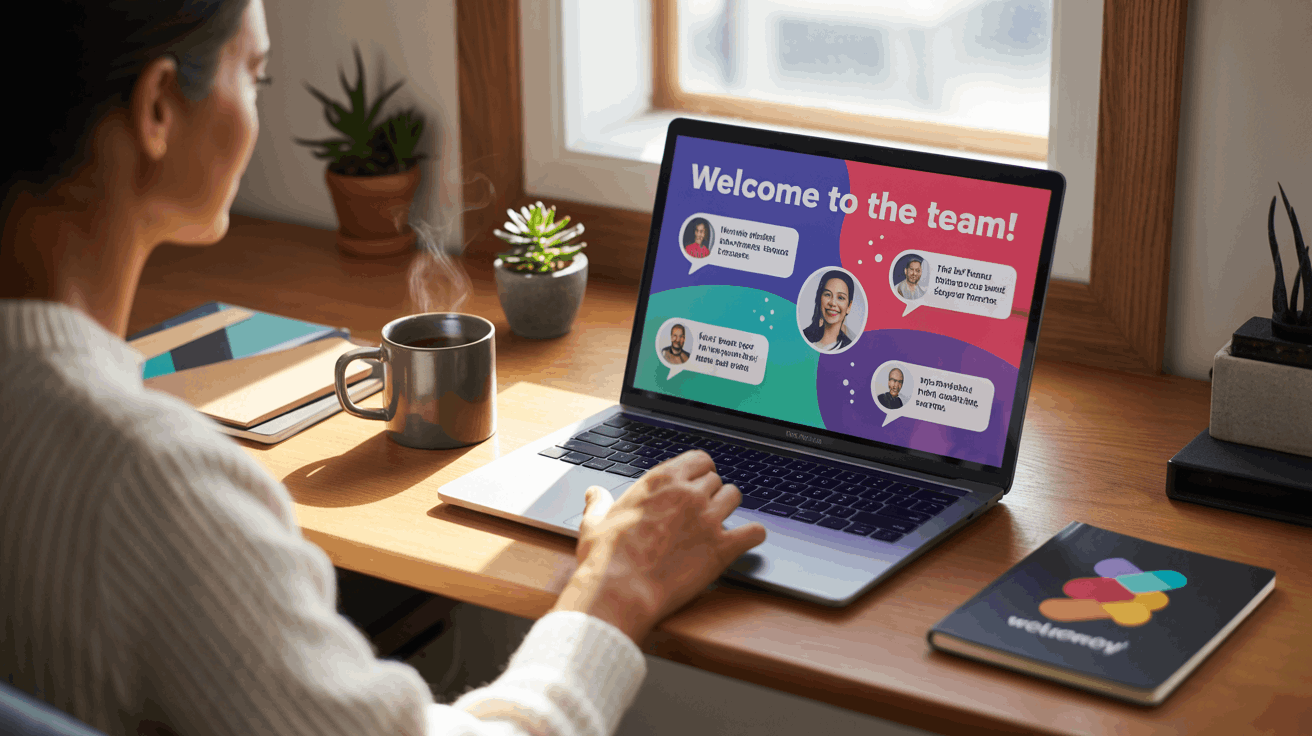
Why a Comprehensive Onboarding Checklist Matters
A well-structured onboarding programme isn’t just a nice-to-have it’s critical for retention and new hire success. Research shows that 31% of employees quit within the first six months of starting a new jobcerkl.com, often due to unclear guidelines or poor initial experience. On the flip side, a strong onboarding experience can dramatically improve outcomes. Companies with robust onboarding see new hire retention improve by up to 82% (touchstay.com), and those employees are 3× more likely to feel committed to the organisationcerkl.com. In short, investing time and care into onboarding pays off in employee loyalty and productivity.
Digital tools and touchpoints make onboarding easier and more engaging, especially for remote hires. From e-signing forms to AI-driven personalisation in communications, digital onboarding ensures consistency and instant connectivity. Keep this checklist handy to tick off each step, so nothing falls through the cracks during your next new hire’s welcome journey.
Pre-Boarding: Preparing Before the First Day
Pre-boarding is the period between a candidate accepting the offer and their first workday. It’s your chance to lay groundwork and make the new starter feel welcome from the get-go. Here’s how to leverage digital touchpoints in pre-boarding:
- Offer and Welcome Pack: Send the offer letter and new hire paperwork electronically. Use e-signature tools so they can complete forms (contracts, NDAs, tax forms) quickly online (cerkl.com). Include a welcome PDF or micro-site with company information, an org chart, and what to expect on Day 1.
- Accounts & Equipment: Start IT setup about a week in advance. Create email and account logins for all required systems, from email to project management tools. If they’re remote, arrange shipping of a laptop or give instructions for setting up their own device securely. Ensure all required software licenses are ready.
- Personal Welcome Message: A few days before the start date, send a warm welcome email. Include the start date, start time, dress code (if any), and a schedule for Day 1. Even better, have their future team contribute to a group welcome card a digital greeting card everyone signs with messages and maybe fun GIFs. This group card can be created easily via our platform simply share a link for team members to add their notes, and it’s ready to deliver instantly on the morning of their first day. It’s a personal touch that helps a new hire feel the team’s excitement to have them aboard. (You can create a welcome card in minutes with our online tool here.)
- Welcome Gift (Optional): Some companies send new hires a swag kit (company merchandise) or a small gift. If you do this, dispatch it to arrive by their start date. Even an email with a voucher for lunch on Day 1 or a coffee gift card shows you care. If physical gifts aren’t feasible, a personalised digital gift card works too.
- Intro to the Team: If appropriate, set up a Slack channel or email thread to introduce the new hire to the team before they start. For instance, a brief intro message sharing the new person’s role, a fun fact about them, and encouraging team members to say hello. This can break the ice early. Some organisations even share a short “meet the team” video or a slideshow of team photos to give newcomers a feel for the company culture.
Digital Tip: Consider using AI personalisation for your communications for example, an AI tool can help draft a customised welcome message or generate a fun onboarding quiz about the company for the new hire. Just make sure to review and add a human touch to any AI-generated content. The goal is to make the new starter feel the welcome is tailored just for them.
Day 1: A Warm (Digital) Welcome
Day 1 is all about making the newcomer feel comfortable and set up for success. Plan the first day’s schedule and share it in advance. A clear itinerary helps reduce first-day jitters. Here’s a checklist of Day 1 activities with digital enhancements:
- Morning Welcome & Orientation: Greet them (in person, or via video call for remote employees) and give a brief orientation. This might include a virtual office tour if they’re remote perhaps a quick video showcasing the office or a live video walk-around. Introduce key colleagues and team members. If on-site, a physically distanced tour of facilities; if virtual, screen-share an org chart with faces and names.
- Welcome Card Presentation: First thing in the morning, ensure the new hire receives that group welcome e-card from the team. It could be emailed to them or even presented on a Zoom call with everyone waving. This upbeat start, with personal messages from teammates, can make them feel truly valued. Our platform’s instant delivery means the card arrives right on time.
- HR Paperwork & Setup: Allocate time to complete any remaining HR tasks. Since many forms were already sent in pre-boarding, Day 1 might just involve verifying documents and setting up payroll/benefits. Use a secure HR portal for any additional forms. Ensure the new hire has logged into all essential systems (email, chat, project software) a quick screen-sharing session can help troubleshoot any access issues immediately.
- Team Introductions: Schedule a team meeting or informal video call mid-morning. Keep it light: have each team member introduce themselves, role, and maybe share a fun fact. For distributed teams, you could use an interactive icebreaker (there are online tools and games for quick icebreakers). This builds personal connections even if everyone isn’t in the same room.
- Lunch Break: Encourage a social lunch if possible. In-office, perhaps a team lunch or someone taking the new hire to lunch (budget permitting). For remote hires, organise a virtual lunch e.g. send them a meal delivery voucher and have the team eat together on a video call, or set up a “coffee chat” with a few colleagues. The idea is to blend work info with friendly social time so they don’t spend lunch alone on Day 1.
- Afternoon Settling In: After lunch, give the new hire time to set up their workstation or home office. Ensure they have access to all necessary files and tools. This is a good time for them to review the employee handbook or any training videos at their own pace. Tip: Provide a checklist of “systems to log into” or a short digital tutorial (perhaps AI-generated) for each key software.
- Manager One-to-One: Before the end of Day 1, the direct manager should have a one-on-one meeting with the new hire. This can cover: clarifying initial responsibilities, setting first week goals, and answering questions. If remote, this is done via video call. It’s crucial the manager reiterates their excitement to have the person on the team and offers support.
- End-of-Day Recap: Send a quick end-of-day email or chat message to the new hire to congratulate them on finishing Day 1. Recap any key points (like tomorrow’s start time or training schedule) and encourage them to ask if any questions came up. This shows attentiveness.
By the end of Day 1, your new employee should feel welcomed, have the basic tools set up, and know the faces (or avatars) of their teammates. They’ll appreciate the mix of formal onboarding and personal touches especially that lively welcome card and warm team introductions.
First Week: Building Foundations
The first week is about helping the new hire gradually integrate, learn the ropes, and feel comfortable in their role. It’s also where you set the tone that your company is organised and supportive. Use this checklist to cover Week One:
- Structured Training Plan: Outline a training schedule for the week. This could include job-specific training sessions, shadowing opportunities, and required compliance courses. Spread these out to avoid overload. For example, Monday could focus on company culture and processes, Tuesday/Wednesday on job tools and initial tasks, etc. Use a mix of formats: live video workshops, interactive e-learning modules, and reading materials. Interactive digital training (like short quizzes or scenario simulations) can keep it engaging.
- Daily Check-Ins: Have either HR or the manager check in briefly with the new hire at the end of each day (or each morning) during the first week. It can be a 15-minute chat or a quick message asking how things are going. New hires often don’t want to “bother” busy colleagues with questions, so actively inviting their questions or concerns helps them speak up. You might ask, “How was today? Anything you need or anything unclear?” and address any issues.
- Introduce a Buddy/Mentor: Pair the newcomer with a buddy a colleague (not their manager) who can be an informal go-to for questions. The buddy should reach out in week one, perhaps take them for a coffee or set up a virtual coffee chat. Buddies can show them around (or give a sense of “office lore” virtually) and provide social support. It’s a key digital touchpoint for remote hires maybe the buddy sets up a recurring short video call to catch up.
- Team Integration: Schedule team-building moments during the week. For example, a mid-week team coffee break (in person or over Teams/Zoom) to chat about non-work topics, or a fun Slack thread where everyone shares a photo of their pet or favourite hobby. Little activities like a “get-to-know-you” quiz can help bond with the new colleague. This shows that even as work ramps up, your culture includes camaraderie.
- Gradual Work Introduction: Assign a manageable project or task early on something meaningful but not mission-critical. This lets the new hire start contributing without feeling overwhelmed. Provide clear instructions and perhaps an example of a finished product. If possible, use your project management tool to assign this and show them how tasks are tracked. The first completion will boost their confidence.
- Feedback Loop: Create a channel for feedback from the new hire. At the end of the first week, consider sending a short survey or simply an email asking about their experience so far: what’s been good, what could be better? New employees can offer fresh perspective on your onboarding process. Using an anonymous online survey or a simple form might encourage honesty. (If you have an AI-enabled HR system, it might even detect sentiment from feedback to alert HR of any issues a high-tech bonus.)
By Friday of week one, aim for the new hire to have a solid understanding of their role, know who to turn to for help, and feel they’ve joined a friendly, efficient organisation. The combination of formal training and informal social touchpoints (many enabled by digital tools) will set a strong foundation.
Beyond Week One: 30-60-90 Day Milestones
Onboarding doesn’t end after a week. Extending your checklist into the first 30, 60, and 90 days helps employees become fully integrated and productive. Here’s how to continue the momentum, using digital support where helpful:
- 30-Day Checkpoint: One month in, schedule a more formal check-in with the new hire and their manager (and/or HR). Review how their first month went. Discuss accomplishments (even small ones) and any challenges. It’s a good time to set or refine goals for the next two months. Also ask the employee for feedback on the onboarding so far they might highlight areas for improvement. Many companies do a 30-day survey. Using a digital survey tool can make it easy to gather and analyse responses. Ensure any concerns raised are addressed promptly, showing the employee you listen and care.
- Continuous Learning: Provide ongoing training opportunities. Perhaps there are advanced courses or certifications relevant to their role encourage them to start those after the initial settling in. If you have a Learning Management System (LMS), make sure the employee knows how to access it and has a “learning path” to follow. For example, if they completed basic training in week one, the next modules might unlock in week two or three.
- 60-Day Engagement: Around two months, the employee should be taking on more responsibilities. Ensure managers continue regular one-on-ones (biweekly or monthly). At 60 days, some companies do a quick pulse check maybe a short AI-powered engagement bot asks the employee via chat how things are going. If your organisation uses an AI assistant for HR, it could prompt at 60 days with a few questions like “Do you feel confident in your role? Any roadblocks?”. Use these insights to intervene if needed (for example, if they still feel unclear about something, provide additional support).
- Integrate into Culture: Help the employee deepen their connections. For remote employees, consider inviting them to visit the head office or meet local colleagues if feasible, or organise a team gathering during this period (even if virtual). Ensure they’ve been invited to all relevant team channels, social groups (like a company book club Slack or Friday quiz), so they feel part of the community. Little things like sending a birthday card or acknowledging their birthday/work anniversary if it falls within this time (using our platform’s group cards, of course) reinforce that they’re truly a member of the family.
- 90-Day Review: At the three-month mark, many organisations consider the “probation period” complete. Conduct a more formal 90-day performance review. This meeting reviews the employee’s work, fit, and satisfaction. Ideally, it’s a two-way conversation: share what they’re doing well and areas to grow, and invite them to share their experience and if their expectations are met. This is also the moment to discuss long-term development goals now that they’re a confirmed member of the team.
- Celebrate the Journey: Don’t overlook the significance of completing a successful onboarding period. Something as simple as a congratulations email or a mention in the team meeting like, “Alex has hit 3 months with us time flies! We’re happy you’re here,” is motivating. Some companies even send a small gift or certificate for passing probation. At the very least, a hearty handshake or a group emoji reaction in chat can mark the occasion. It’s about recognition.
Throughout this 30-60-90 day timeline, maintain those digital touchpoints: Use your HRIS to trigger reminders for managers to give feedback, use calendar invites for check-ins so they don’t get forgotten, and continue leveraging communication tools so the new hire never feels “forgotten” after week one. Consistency is key a structured onboarding extending over weeks ensures the employee remains engaged and supported, rather than feeling like they were dropped in at the deep end after orientation.
Putting It All Together with Digital Tools
A culture-first, digital-friendly onboarding process shows new employees that your company is modern, caring, and well-organised. By integrating digital touchpoints, you make onboarding smoother for both the new hire and your team:
- Consistency: A digital onboarding checklist (perhaps in a shared document or onboarding software) keeps everyone on the same page. Both HR and the new hire can see what’s completed and what’s next, reducing confusion.
- Personalisation: AI-powered tools can tailor the experience from generating personalised welcome notes to recommending specific training based on the role. This avoids a one-size-fits-all approach and makes the newcomer feel the programme is designed for their success.
- Engagement: Multimedia elements (videos, interactive quizzes, virtual meetups) cater to different learning styles and keep the experience lively. Instead of just reading manuals, new hires engage with content and colleagues, even if remotely.
- Instant Communication: With messaging apps and video calls, getting help is just a click away. Encourage new hires to use these for instance, a dedicated Slack channel #new-hire-questions can let them ask anything and get quick answers, preventing small issues from festering.
Remember, onboarding is not merely a checklist to tick off it’s the start of an employee’s journey with your company. By covering all the bases (administrative, technical, social, cultural) and utilising digital tools for efficiency and warmth, you create an experience where the new team member feels truly welcomed. When a new hire senses that you invested effort into their onboarding, they’ll reciprocate with enthusiasm and loyalty.
For more inspiration on welcoming gestures, check out our special farewell cards (for when colleagues move on) and get well soon cards (to support team members in tough times). While those come later in an employee’s journey, they’re part of the same ethos of care. You can also explore our pricing to see how investing in a robust onboarding and recognition platform can fit your budget.
By following this ultimate onboarding checklist, you’ll ensure no important step is missed. Your new hires will thank you for it likely in the form of quicker productivity, higher engagement, and sticking around for the long term. Happy onboarding!