

ExpressWithACard Blog
Family Ties, Digital Style: How E-Cards Keep Loved Ones Connected Across Distances
 April 18, 2025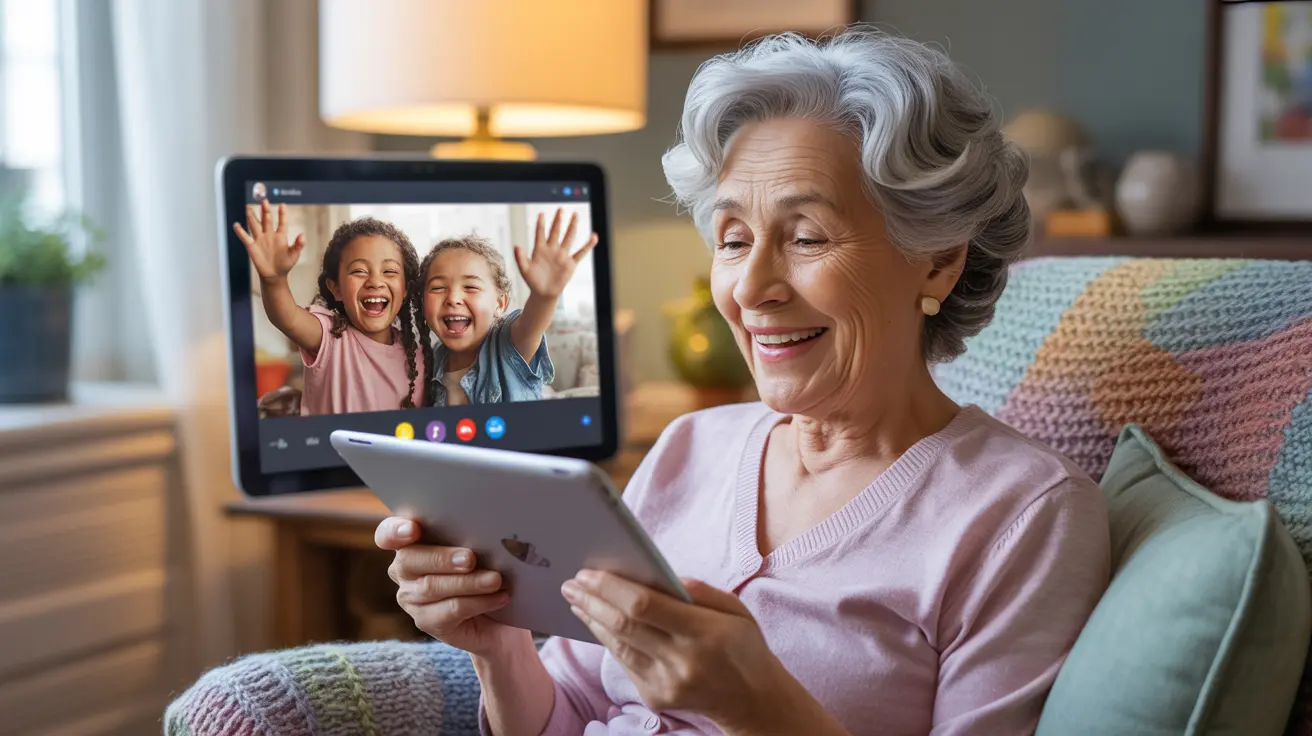
When Loved Ones Are Far Away
Modern life often scatters families far and wide. Children go off to college in another state, siblings take jobs in different cities, and relatives immigrate across the globe. While we rejoice in new opportunities, there’s no denying the emotional distance that can come with physical distance. Long gone are the days when multiple generations lived on the same street; today, a “family reunion” might be a holiday Zoom call with faces tuning in from various time zones. In this reality, finding ways to keep family bonds strong is essential. Digital greeting cards have emerged as a surprisingly heartfelt tool for this purpose a way to say “I’m thinking of you” that goes beyond the usual text or social media message.
Imagine it’s your beloved grandmother’s birthday, but you can’t be there in person. A phone call is great, but perhaps you also send her an e-card adorned with an old family photo and a recorded voice message from the grandkids. When she opens it on her tablet, she not only reads loving wishes but hears familiar voices singing “Happy Birthday.” This simple gesture, delivered through pixels rather than paper, can make grandma feel just as warm and cherished as if everyone were there in her living room. In some cases, digital connections are the next best thing to being together.
The Rise of the Heartfelt E-Card
E-cards have been around for a while, but they became a lifeline for many families during recent years. The COVID-19 pandemic, in particular, forced families into physical separation, often across even short distances. During that time, people found creative ways to celebrate and communicate virtually, e-cards being one of them. Usage of digital greeting cards for major occasions soared by 57% during holidays like Christmas and Valentine’s Day when travel was restricted (globalgrowthinsights.com). And it wasn’t just holidays, birthdays, Mother’s Days, graduations, you name it, families turned to virtual celebrations. What started as a necessity has grown into an appreciated new tradition. Many discovered that even when life returns to normal, e-cards have a place in keeping loved ones connected.
The numbers reflect this shift: the trend of long-distance celebrations has led to a 41% increase in personal e-card sharing as people try to bridge the gap with faraway loved ones (globalgrowthinsights.com). When you can’t hand a card or gift in person, sending a thoughtfully crafted digital greeting is a meaningful alternative. Whether it’s a son overseas sending a Father’s Day e-card back home, or cousins in different cities exchanging digital Lunar New Year wishes, families are finding that e-cards convey genuine care across great distances.
How E-Cards Bring Loved Ones Together
What makes an e-card so effective (and enjoyable) for connecting family members? Here are a few key reasons:
- Personal Touch with Multimedia: E-cards allow senders to incorporate photos, videos, and audio, which can be incredibly special for family communication. Consider a sibling group e-card for Mom’s birthday: each sibling can add a photo of a favorite memory with Mom, and perhaps a short voice recording or video clip with their birthday wishes. When Mom opens the e-card, she gets a multimedia hug from all her children at once. These are the kinds of touches that a static paper card can’t provide. The ability to include inside jokes, family songs, or a montage of the year’s highlights makes the greeting deeply personal. In surveys, 54% of users say they prefer personalized e-cards that might include names, photos or even voice notes (globalgrowthinsights.com) elements that feel intimate and specific to their family relationships.
- Group Participation: One wonderful aspect of digital cards is how easy it is to get multiple people to sign or contribute. For example, if it’s Grandpa and Grandma’s 50th anniversary, the entire extended family can collaborate on a single e-card. Children, grandkids, cousins from all over can each add their own message and pictures to one big digital card. It becomes a group greeting filled with love, as if you passed a giant card around virtually. Platforms like expresswithacard and others have popularized this concept of collaborative group cards, making it simple to “bring people together, no matter where they are” to celebrate collectively. The recipients, in our example, the grandparents will likely be amazed to see a flood of messages and memories compiled from everyone, all in one place, and delivered instantly to their email. It’s the family gathering distilled into a card!
- Spontaneous “Just Because” Connections: Family ties aren’t only about the big occasions. Sometimes you want to reach out spontaneously maybe a niece is feeling down, or you just miss your brother who lives across the country. Sending a quick e-card “just because” has become an easy way to brighten someone’s day and reinforce family bonds. An e-card doesn’t require a trip to the store or post office, so people are more inclined to send them for small reasons or random acts of kindness. There’s a growing popularity of “thinking of you” or “miss you” e-cards as a way to maintain connections outside of traditional holidays. These casual digital postcards can surprise and delight a loved one, showing that physical distance doesn’t stop you from caring.
- Bridging the Tech Gap: You might wonder what about older family members who aren’t tech-savvy? Interestingly, many e-card platforms design their cards to be as simple as clicking a link, which even seniors can manage if they use email or Facebook. The visual nature of an e-card (often big graphics, maybe some animation) can actually be more engaging for them than a plain email. And plenty of grandparents have learned to use tablets or smartphones precisely to keep up with grandkids. For those truly not online, families sometimes get creative: a relative might show the e-card to Grandma by sharing their screen on a video call or even printing out a digital card to hand-deliver later. Still, trends show more seniors are coming online each year, and as they do, they discover delightful things like animated e-cards in their inbox. (It’s worth noting that a majority of people over 65 still prefer physical mail (businessresearchinsights.com), but that is gradually changing as comfort with technology increases.)
Instant Sharing of News and Milestones: Life moves quickly, and families want to share news, both happy and somber as quickly as possible. E-cards can be a thoughtful way to convey sentiments for important family updates. For instance, the birth of a new baby in the family can prompt sending out a cute digital birth announcement card with photos to all the relatives within hours. On the flip side, if there’s a need to send condolences or get-well-soon wishes, e-cards allow a rapid, sincere response from afar, sometimes when mailing a card might take too long. The instant delivery of e-cards ensures your support or congratulations are timely, which matters when family is going through big moments.
Making Digital Greetings Warm and Personal
One concern people sometimes have is whether a digital message can be as “warm” or sincere as a handwritten card. The answer lies in how you create and customize your e-card. Here are some tips for ensuring that your family e-cards feel truly heartfelt:
- Write a Personal Message: Don’t let the pre-typed message on a template be the only text. Always add a few personal lines, just as you would inside a physical card. Share an update about your life, recall a shared memory (“I still laugh when I think about last Christmas at your place…”), or simply express your feelings (“Even though we’re miles apart, you’re always in my heart”). The beauty of e-cards is you often aren’t constrained by space you can write a longer note if you want, and some e-cards even let you include multiple pages. Those words from you are what make the card special.
- Use Family Photos or Inside Jokes: Most e-card platforms let you upload a photo or choose from themes. In a family context, leveraging personal photos is a huge win. Seeing a recent picture of your kids can really light up Grandma’s face. Or include that funny throwback picture from when you and your sister were little it’s sure to spark joy. If photos aren’t your thing, think about inside jokes or meaningful symbols (maybe the hometown skyline, or a graphic of Mom’s favorite flower) that you can incorporate. These elements show that the card was made just for them.
- Pick the Right Tone (and Tech) for the Recipient: Tailor the style of e-card to the person. For a young nephew or niece, an interactive e-card with a game or a silly cartoon character might be perfect (given that kids under 13 account for a notable chunk of e-card engagement, especially those with fun animations and games (businessresearchinsights.com). For an elder relative, maybe a more classic design with easy-to-read text and a soothing music background would be better. The range of e-card designs out there is huge from elegant and simple to wild and goofy, so you can always find something that fits the personality of your family member.
Don’t Forget Video Calls Too: E-cards aren’t meant to replace other communication, but to supplement it. Often the best approach is to send a lovely e-card ahead of a scheduled video call or phone call. The card sets the stage it might arrive in the morning, and then later that day you have a FaceTime chat where you can see their reaction and talk more. The combination of an e-card + a call can make a celebration feel robust. For example, on a distant relative’s birthday, you could coordinate a time to all sing happy birthday on Zoom, and also surprise them with a group e-card signed by everyone. These methods in tandem create a full experience of love.
Real Stories: The Impact of Staying Connected Digitally
To understand the emotional impact, let’s look at a couple of anecdotal scenarios (composites based on common experiences):
Story 1: The Siblings’ Holiday Greeting: Three sisters grew up celebrating the holidays together every year. Now in their 30s, one lives in London, one in Sydney, and one in San Francisco. The distance and differing holiday traditions (summer Christmas in Australia!) made all three feel a bit lonely as the holidays approached. They decided to use an online card platform to create a special digital Christmas card each year to share with one another. Each sister would add a section to the card with a personal message, photos of her decorated home or tree, and even short video clips of them cooking a favorite family recipe. When Christmas Day came, all three opened their e-card together on a video call seeing each others’ contributions and reading the heartfelt notes. It became a new tradition bridging their far-apart homes. One sister noted it “felt like we spent Christmas morning together, even though we were on three different continents.”
Story 2: Grandpa’s Milestone Birthday: A grandfather was turning 80, but due to health and cost issues, a big family reunion wasn’t in the cards this year. Instead, his children, who live in various states, organized a digital card. They invited every family member from the grandpa’s siblings to the youngest grandchild to add a message or memory. Some wrote touching notes about what they admire about Grandpa; others uploaded pictures of them with him from years past; the more tech-savvy grandkids even added a short recorded audio wishing him a happy 80th. The final e-card had over 25 contributions! On his birthday, they set it up on a tablet and sat with him as he scrolled through all the messages. He was moved to tears by some, and laughed aloud at others (like the baby granddaughter’s scribble “drawing” that was scanned in). “I never knew I meant this much to all of them,” he said. That digital collection of tributes became a keepsake the family printed into a book later showing how a digital gesture can transform into a lasting memory.
Strengthening Family Bonds, One E-Card at a Time
At the end of the day, what any family wants is to feel connected, despite the miles in between. Digital greeting cards might seem like a small thing, but they are proving to be a mighty tool for emotional connection. They slot neatly into our modern communication habits while retaining the core spirit of the old-fashioned card: a personalized message of love, celebration, or support.
For families navigating long distances, e-cards offer immediacy (you can reach out in the exact moment you’re thinking of someone), creativity (you can share parts of your life visually and interactively), and inclusivity (everyone from a toddler to a great-grandparent can participate in creating or enjoying one). They’re not limited by geography or postal routes and that’s a huge advantage for global families.
As we embrace this digital style of keeping in touch, it doesn’t lessen the value of the sentiment if anything, it amplifies it, because we now have more ways to say “we are family, no matter how far apart we are.” So the next time you’re missing a loved one or want to make a distant relative’s day, consider sending an e-card. It might be a quick click for you, but it could mean the world to them.