

ExpressWithACard Blog
Creative Employee Wellness Programme Ideas for 2025 and Beyond
 October 13, 2025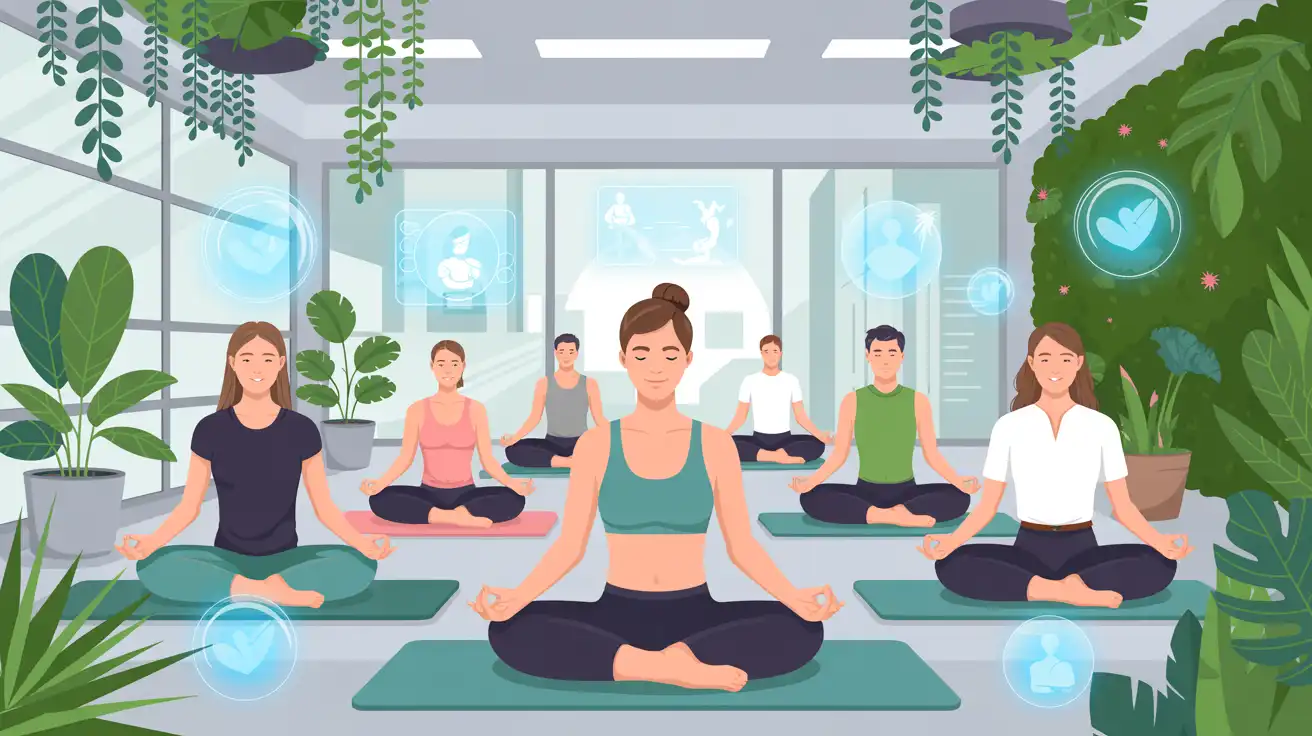
Workplace wellness is no longer a “nice-to-have” it’s a strategic priority for forward-thinking companies. Employers are adapting to new workforce expectations by embracing holistic and innovative wellness initiatives. In fact, surveys show that employers are dramatically increasing their investments in well-being benefits for 2025 (for example, 86% of organizations are boosting mental health programs, 75% are expanding weight management, and 70% are adding stress management support (wellable.co)). The goal is to support employees in all aspects of health: mental, physical, financial, and even social well-being. From leveraging technology and data to create personalised experiences, to fostering a culture that values rest and gratitude, the following ideas illustrate what the future of employee wellness looks like and how you can stay ahead of the curve.
1. Hyper-Personalised Wellness Plans
One size doesn’t fit all when it comes to wellness. A leading trend is to offer hyper-personalised wellness programs tailored to each employee’s unique needs and goals. This might involve initial wellness assessments or surveys to gather data on what each person values whether it’s improving nutrition, getting more sleep, managing stress, or something else. With those insights, companies can provide a menu of wellness options and let employees choose what suits them best. For example, one employee might opt into a weekly healthy cooking class, while another prefers a marathon training support group. Advances in digital health platforms and apps make personalization easier: some tools can recommend activities or resources to individuals based on their inputs (like suggesting meditation for someone who reports high stress). By empowering employees to create their own wellness path, you increase engagement people are more likely to stick with programs that reflect their personal interests and definitions of well-being. It also shows that the company respects individual differences and is willing to invest in what truly helps each person thrive.
2. Mental Health First: Therapy, Coaching, and Safe Spaces
Mental health support has become a cornerstone of modern wellness programs and creativity here means going beyond a traditional Employee Assistance Program. Companies in 2025 are normalising conversations about mental health and providing more accessible, stigma-free resources. Consider offering free or subsidised therapy sessions (virtual therapy has made this easier to scale to employees anywhere). Some employers are partnering with apps that provide on-demand counseling or meditation coaching. Others have trained “mental health first aiders” on staff employees who are educated to recognize signs of distress and guide coworkers to appropriate help. To get creative, think about setting up a “wellness room” either physically (a quiet space in the office for relaxation and privacy) or virtually (a daily meditation webinar or a Slack channel for mental health tips and positive affirmations). Also, encourage taking mental health days just as one would a sick day. Leadership should openly talk about mental well-being to signal that it’s okay to seek help. By making mental health a visible priority, you create a safe space where employees feel supported. The payoff is significant: reduced burnout, higher resilience, and a workforce that knows their employer truly cares about their well-being.
3. Financial Wellness and Money Education
Money worries are a major source of stress for many employees, so a financial wellness program can greatly improve overall well-being. This goes beyond offering a retirement plan. Get creative by providing resources like financial literacy workshops (e.g. budgeting 101, understanding mortgages, investing basics), one-on-one coaching with a financial advisor, or even access to online personal finance tools. Some companies are introducing benefits like student loan repayment assistance or savings matching programs to help employees hit personal financial goals. Another idea is hosting “lunch and learn” sessions on topics such as debt management or saving for a child’s education sometimes bringing in external experts or partnering with financial wellness platforms. By addressing financial health, you not only alleviate a common stressor but also show employees you care about their life beyond work. Employees who feel more in control of their finances are likely to be less distracted and more productive at work. In 2025 and beyond, expect to see even more integration of financial well-being into wellness initiatives because financial security is a key pillar of a person’s overall health.
4. Flexibility and Time-Off as Wellness Strategies
One of the most impactful wellness moves is giving employees more control over their time. Rigid schedules and insufficient rest can quickly erode well-being. Creative companies are experimenting with flexibility as a core part of their wellness programs. This can take many forms: implementing a hybrid or remote work policy to save commuting stress, offering flexible hours so people can exercise or meditate at the time of day that suits them, or even trying out a 4-day work week to enhance work-life balance. Generous and innovative time-off policies are also key think about adding mental health days or wellness days (extra paid days off specifically for recharging). Some organizations are introducing a company-wide “offline hour” each day or week when no meetings are allowed, encouraging employees to take a break or focus on personal tasks. Another idea is a sabbatical program where long-tenured employees earn an extended break to pursue personal interests. By embedding flexibility and rest into your culture, you combat burnout and signal trust. Employees who can catch their breath and manage work alongside life’s demands will be healthier, happier, and actually more productive.
5. Gamified Fitness Challenges and Group Activities
Turning wellness into a fun, collective game can dramatically boost participation. Gamified fitness and wellness challenges tap into people’s competitive spirit and social bonds. For example, you could organize a company-wide steps challenge: employees use fitness trackers or smartphone apps to log steps, and teams compete to “walk across Europe” or reach a certain step count, with progress displayed on a leaderboard. Prizes (even just bragging rights or a goofy trophy) make it extra motivating. Other ideas include hydration challenges (“drink 8 glasses of water a day”), sleep challenges (who can improve their sleep quality the most), or mindfulness streaks (reward those who meditate 10 days in a row). By making it a group activity, you also foster camaraderie colleagues can encourage each other on Slack or share tips. Group workouts are another avenue: host a weekly virtual group exercise class, or sponsor employees to form a company team for a charity run or sports league. The key is to keep it inclusive and light-hearted; people of all fitness levels should feel welcome to join. Gamification introduces that element of play, which can make healthy habits feel less like a chore and more like a team-building adventure.
6. Embracing Wearable Tech and Wellness Apps
In 2025, technology plays a huge role in wellness. Wearable fitness trackers and wellness apps provide real-time data that can engage employees in their health goals. A creative program might involve giving employees a stipend or discount to purchase a wearable device (like a Fitbit, Apple Watch, or Oura Ring), then integrating that with corporate wellness challenges or personal milestones. For instance, if an employee meets a step goal for three months straight, they could earn a reward or recognition. Some companies run voluntary programs where employees can sync their device data to a wellness platform and accumulate points for healthy behavior (steps, regular sleep, heart rate improvements, etc.). These points might translate into company swag, extra time off, or charitable donations in their name. Additionally, wellness apps are abundant from guided workout platforms to nutrition tracking apps. Employers can offer premium subscriptions to popular apps (like a meditation app subscription as mentioned earlier, or a diet coaching app) as part of the benefits package. Embracing tech not only modernises your wellness program but also meets employees where they are on their smartphones and device making it easier for them to engage daily. It’s wellness “in the pocket,” and the data can help both employees and employers see improvements over time (while respecting privacy, of course).
7. Social and Community Well-being Initiatives
Humans are social creatures, and feeling connected is a big part of well-being. That’s why social wellness programs are gaining popularity. These initiatives aim to strengthen relationships, community involvement, and the sense of belonging among employees. Examples include organising team volunteer days (e.g. the company volunteers at a local charity together quarterly) this not only gives back to the community but also boosts team spirit and purpose. Another idea is creating employee resource groups or clubs around common interests (fitness group, book club, gardening club, etc.) and giving them company support or small budgets. Even simpler: hosting virtual coffee chats or “donut buddy” programs that randomly pair employees from different departments for a casual chat, combating isolation especially in remote teams. Companies also celebrate cultural diversity as a wellness aspect for instance, recognising and celebrating various cultural holidays can make employees feel seen and included. By fostering strong social connections and a sense of community at work, you improve emotional well-being. Employees feel more supported and engaged when they have friends at work and know the company encourages social interaction and community values, not just output.
8. Mindfulness and Meditation Programs
Another creative wellness idea is implementing a structured mindfulness program in the workplace. While meditation and mindfulness might once have seemed fringe, they are now mainstream tools for reducing stress and improving focus. You could start small by offering a daily or weekly guided meditation session (in-person if you have space, or via a video call for remote teams). Bringing in a professional mindfulness coach for a workshop or series of sessions is a great way to introduce techniques like breathwork, progressive relaxation, or mindful movement (like office yoga). Some companies designate a quiet room where employees can take 10 minutes to breathe and decompress during the day. Others might provide access to mindfulness apps with premium features unlocked encouraging employees to meditate on their own schedule. To add a creative twist, you could incorporate mindfulness into team meetings (for example, beginning each meeting with one minute of deep breathing for everyone) or run a “30-day meditation challenge” where employees who complete a short meditation each day earn a fun reward. Prioritising mindfulness in your wellness program helps employees build resilience and clarity. It’s a low-cost initiative with potentially high impact: reducing anxiety, improving mood, and even boosting creativity and problem-solving in the long run.
9. Gratitude and Recognition Practices
A culture of gratitude and recognition is a powerful wellness booster that often gets overlooked. Feeling appreciated at work significantly contributes to an employee’s mental and emotional well-being. For 2025, a creative wellness idea is to actively incorporate gratitude into your programs. For example, start meetings by having team members share quick shout-outs of appreciation for a colleague (“Wellness Wednesday shout-out: I want to thank John for helping me with that client issue yesterday”). Some companies have set up kudos boards or digital platforms where employees can post peer-to-peer thank you notes. You can also leverage our digital card platform to facilitate this imagine creating a group appreciation card where team members write positive notes to a selected employee of the month, or sending an encouraging get-well-soon card to someone who’s out sick to lift their spirits. These small acts foster a supportive environment. Additionally, consider encouraging journaling or gratitude exercises as part of wellness challenges (for instance, challenge everyone to note three things they’re grateful for each day for a month). Research shows that practicing gratitude can improve mood and reduce stress. And on a broader scale, when employees regularly receive recognition, it reinforces a sense of purpose and belonging which ultimately contributes to lower turnover and higher morale (a true wellness win-win).
10. AI-Powered Wellness Coaching
Looking towards the future, AI and digital coaching are entering the wellness space in exciting ways. An AI-powered wellness coach could be as simple as a chatbot that checks in with employees daily “How stressed are you today? Want a tip to relax?” and provides personalized guidance based on their responses. Some advanced platforms use artificial intelligence to analyze data like activity levels, self-reported mood, or even tone of emails (with consent) to flag if an employee might be at risk of burnout, then proactively suggest resources. While still emerging, these tools can complement human efforts by scaling support to large workforces. For example, an AI coach might guide an employee through a brief breathing exercise if it detects they’re stressed in the afternoon, or remind someone to stand and stretch if they’ve been inactive for a while. AI can also help tailor program recommendations: if an employee’s data shows they rarely use the gym reimbursement but often join meditation sessions, the system might suggest more mindfulness resources and less gym focus for that person. The idea isn’t to replace human touch, but to augment the wellness program with smart, data-driven personalization something that becomes more feasible “beyond 2025” as technology advances. Embracing these innovations early can set your wellness program apart and ensure you’re meeting employees’ needs in a proactive, modern way.
Putting Wellness into Practice
As these ideas show, employee wellness programmes in 2025 are all about creativity, personalisation, and a holistic mindset. The best part is that many of these initiatives complement each other you can mix and match elements to craft a programme that fits your company culture and budget. Whether it’s initiating a weekly meditation break, launching a company step challenge, or giving people the tools and time to look after themselves, you’re investing in a healthier, happier workforce.
Remember that a successful wellness program needs support from the top and engagement at all levels. Lead by example: if managers unplug during “offline hours” or participate in wellness challenges, employees will feel more confident using these benefits. Also, keep evolving the programme by gathering feedback. What do employees love? What isn’t working? Being responsive and willing to try new ideas (like those above) will keep your wellness initiatives fresh and effective.
Lastly, don’t underestimate the ripple effect of genuine care. When employees see that their well-being is a true priority not just a checkbox it builds loyalty and motivation. Improved wellness translates to lower absenteeism, higher productivity, and better teamwork. It’s truly a win for everyone. So, as you look to 2025 and beyond, dare to be innovative with your employee wellness strategies. Your team’s minds, bodies, and souls will thank you and your organisation will thrive with the energy and positivity that result.