

ExpressWithACard Blog
Digital Greeting Cards for Remote Teams: Keeping Company Culture Alive Online
 October 17, 2025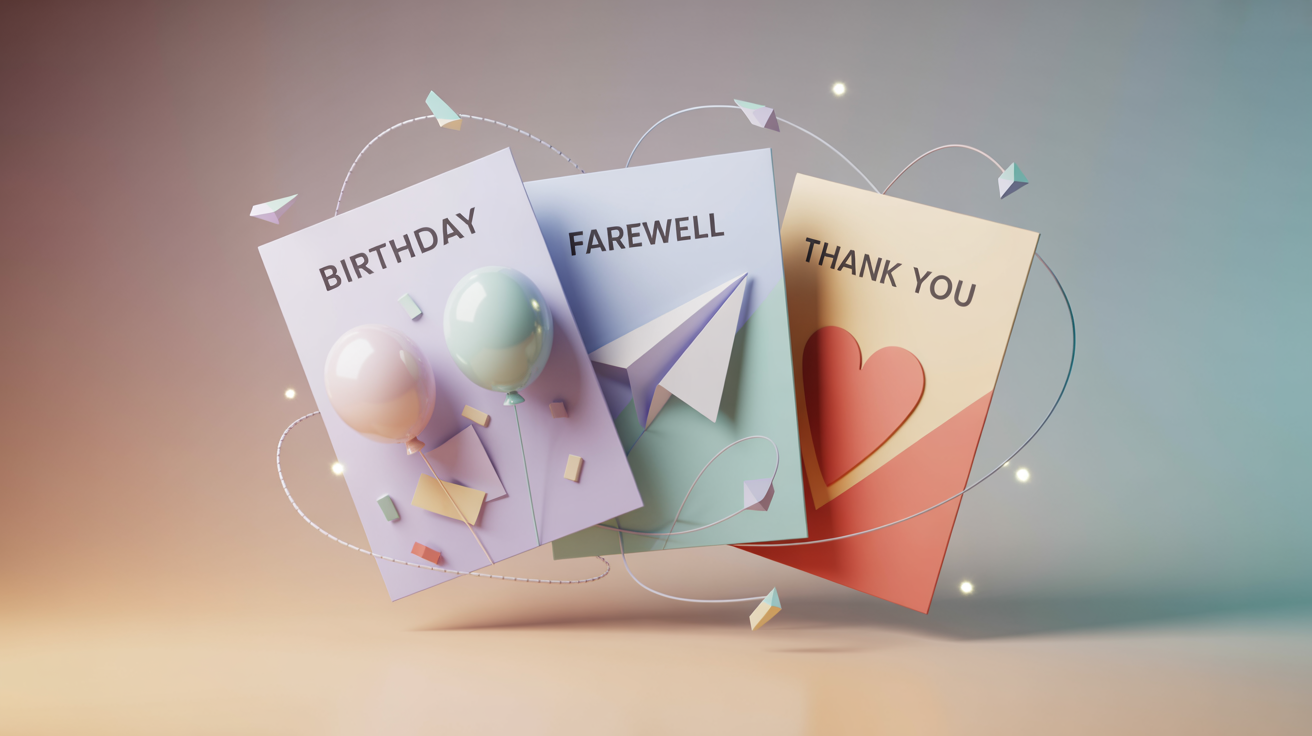
The Challenge of Celebrating in Remote Teams
Building camaraderie and a sense of belonging can be difficult when colleagues are scattered across different cities or time zones. In a traditional office, it’s easy to pass around a birthday card or gather for a cake in the break room. Remote and hybrid teams, however, risk missing out on these small but meaningful moments. Employees may feel isolated or left out if there’s no virtual equivalent of signing a card or saying congratulations. Over time, this can erode team spirit and company culture.
Fortunately, digital greeting cards have emerged as a popular way to bridge this gap. They allow every team member no matter where they work to participate in celebrations with a personal message or fun GIF. During the shift to remote work in 2020, many companies turned to eCards as a morale booster. In fact, one survey found a 94% increase in peer-to-peer recognition eCards sent as organizations went virtual (rewardgateway.com). This surge reflects how critical it became to find new avenues for employee appreciation when in-person interactions weren’t possible.
How Digital Cards Bring Teams Together
Digital group cards effectively recreate the experience of everyone signing and sharing a single card, without any logistical hurdles. Anyone with a link can contribute, writing a note or adding an image at their convenience. As the folks at GroupGreeting put it, “Got coworkers who work remotely or friends across the country? No problem!”, you can gather unlimited signatures just by sharing a link. There’s no worry about an office card getting lost in the mail or running out of space for messages. The days of secretly passing a manila folder around are over.
This inclusivity ensures nobody feels left out. Whether an employee is working from home in Seattle or from a co-working space in Bangkok, they can have the same celebration experience through an eCard (flowernarratives.com). Everyone sees the messages and well-wishes from teammates in one collective digital card, fostering a shared moment even when apart. It’s a simple concept with a big impact: colleagues feel seen and valued when the whole team can easily chime in on their special day or accomplishment.
A variety of digital greeting cards make it easy for remote coworkers to celebrate occasions together, from birthdays to farewells.
Not only do eCards erase geographical barriers, they also add interactive fun to the mix. Unlike a plain paper card, a digital greeting can include photos, emojis, stickers, or even short videos. That means the birthday wishes from your team might come with goofy GIFs, or a congratulations card for a project launch could feature a team photo collage. Multimedia elements make the experience more engaging and memorable. Some platforms even let everyone attach short video messages or voice notes, so the recipient can hear their colleagues cheering for them. This level of personalization injects warmth and personality into remote interactions that might otherwise feel impersonal.
Boosting Morale and Culture Through E-Cards
For remote teams, recognition and appreciation are critical to maintaining morale. Employees expect acknowledgement and want to feel seen for their contributions. When done right, recognition keeps teams connected, motivated, and less likely to leave for another job. Digital greeting cards provide an easy, timely way to deliver that recognition. A quick thank-you eCard after a tough week or a surprise “just because” note can reassure remote employees that their efforts matter.
Studies back this up: 75% of U.S. employees surveyed said morale would improve if they were simply thanked more often (rewardgateway.com). E-cards make saying “thank you” or “great job” practically effortless, so managers and peers can embed gratitude into everyday culture. Over time, these micro-gestures build a positive atmosphere where people feel appreciated. Teams that use digital recognition tools have seen employee engagement increase by about 20% as a result (rocketalumnisolutions.com). Clearly, a little bit of celebration can go a long way toward boosting team spirit.
Digital cards also help preserve company traditions in a new form. If your office always celebrated work anniversaries or new baby announcements, there’s no reason to stop just because you’re remote. An eCard can mark the occasion and gather heartfelt messages just as a physical card would. Many organizations set up a “celebration calendar” to ensure birthdays, anniversaries, and holidays are observed with a group card or e-note for each event. These regular touch points reinforce a sense of community and continuity. It tells your team: we still care about each other, even if we’re not in the same building.
Another benefit is the speed and convenience of going digital. In a traditional setting, arranging a card and gift could take days of passing an envelope around and hoping everyone remembers to sign. With eCards, the entire process, from creation to delivery can happen in an afternoon. You can even schedule cards in advance. For example, create all your April birthday cards at once and set them to email out on the right dates. This reliability ensures remote colleagues get their well-wishes on time, which 46% of users say is a key reason they choose eCards over postal mail (globalgrowthinsights.com).
Tips for Using E-Cards in Your Remote Team
Ready to make digital cards part of your team’s routine? Here are some best practices to get the most cultural benefit out of them:
- Make it a habit: Incorporate eCards into your regular team communications. For instance, have a monthly “wins” eCard where everyone can acknowledge a peer, or always send a group eCard for each new hire’s welcome. Consistency will normalize virtual kudos as a part of your culture.
- Encourage full participation: Invite everyone on the team to sign the card, from interns to the CEO, so the recipient gets a flood of support. You can send a quick chat reminder (“Don’t forget to sign Sarah’s anniversary eCard by 3 PM!”). The more contributors, the more special the card feels (snacknation.com).
- Get creative and personal: Urge team members to add personal touches a fond memory, an inside joke, a team photo or funny meme. These details make the card much more meaningful than a generic “Happy Birthday.” As one platform advertises, you can be as sarcastic or straight-laced as the situation allows, so match the tone to your team’s personality and the occasion.
- Leverage integration: Some digital card services integrate with workplace tools like Slack or Microsoft Teams. This lets employees create or sign cards directly through the apps they already use, which boosts participation. When celebration tools slide seamlessly into your workflow, sending recognition becomes as natural as sending a chat message. Look for eCard platforms that offer these integrations to make the process even easier.
- Highlight and archive: When the card is delivered (usually via email or a shareable link), call attention to it. For example, during a virtual team meeting you might say, “Everyone, check out the eCard we sent Tom for his 5-year anniversary!” This public acknowledgement reinforces the recognition. Also consider saving copies of particularly meaningful cards some platforms allow the recipient to download the card as a PDF keepsake, or even print it in a book if they want a physical memory.
By following these tips, remote teams can turn digital greeting cards into a powerful tool for employee engagement. What seems like a small gesture a quick note of thanks or a shared birthday card actually addresses a core challenge of remote work: making people feel connected. When employees see dozens of warm messages from colleagues pop up in their inbox on a special day, they’re reminded that they’re part of a supportive team, not just a name on a screen.
Keeping Culture Alive, One E-Card at a Time
Culture isn’t built solely through grand events or mission statements it lives in the everyday interactions and little celebrations that bring people together. Digital greeting cards give remote teams an easy, affordable way to keep those interactions going across any distance. They carry on the camaraderie of office life (the birthday cakes, the signed cards, the group congratulations) in a format perfectly suited to distributed work.
Rather than viewing eCards as impersonal, think of them as culture carriers. Each one is an opportunity to reinforce your team’s values: appreciation, unity, inclusion, fun. Over time, these virtual gestures create shared memories and inside jokes that form the glue of team culture. And unlike a paper card that might get tossed in a drawer, a digital card can be saved forever a lasting reminder of positive moments and team support.
In the modern workplace, where remote and hybrid arrangements are increasingly common, embracing tools like digital greeting cards isn’t just a nice-to-have it’s becoming essential. Innovative organizations are already using these digital celebration tools to foster genuine connections regardless of location. By doing so, they ensure that no employee feels like an “outsider” just because they work remotely. Everyone gets to sign the card; everyone shares the smile.
In summary, if you want to keep your company culture thriving in a remote team, don’t underestimate the power of a simple eCard. It can light up someone’s day, strengthen team bonds, and build a culture where appreciation is felt daily. In a world where we can’t always gather in person, a few heartfelt words delivered digitally can remind us that we’re all in this together and that’s something worth celebrating.